Shady spaces can become some of the most layered parts of a garden when plant choices match the available light. This guide helps you measure shade, choose plants for deep shade, partial shade, morning sun, or dappled light, and build a practical planting plan that is easier to maintain over time.
Overview
The most useful shade garden ideas begin with observation rather than a plant list. “Shade” can mean several different conditions: a north-facing border may receive bright reflected light but little direct sun, while the area beneath a dense tree may be dry, dark, and crowded with roots. A bed beside a fence may receive several hours of morning sun but afternoon shade. Each situation calls for a different design.
Before buying plants, record how much direct sunlight reaches the site, whether the soil stays moist, and how much space is available for mature growth. Check the area at different times of day and, if possible, in more than one season. Nearby trees can cast longer shadows as the sun’s angle changes, and deciduous trees may create a sunny spring border that becomes shaded later.
Use the following light categories as planning guides rather than rigid rules:
- Deep or full shade: Little or no direct sun, often beneath dense evergreen branches, close to buildings, or on a north-facing side.
- Partial shade: A limited period of direct sun or bright light, commonly several hours of sun with protection during the hottest part of the day.
- Morning sun and afternoon shade: A gentler pattern that suits many plants described as partial-shade tolerant.
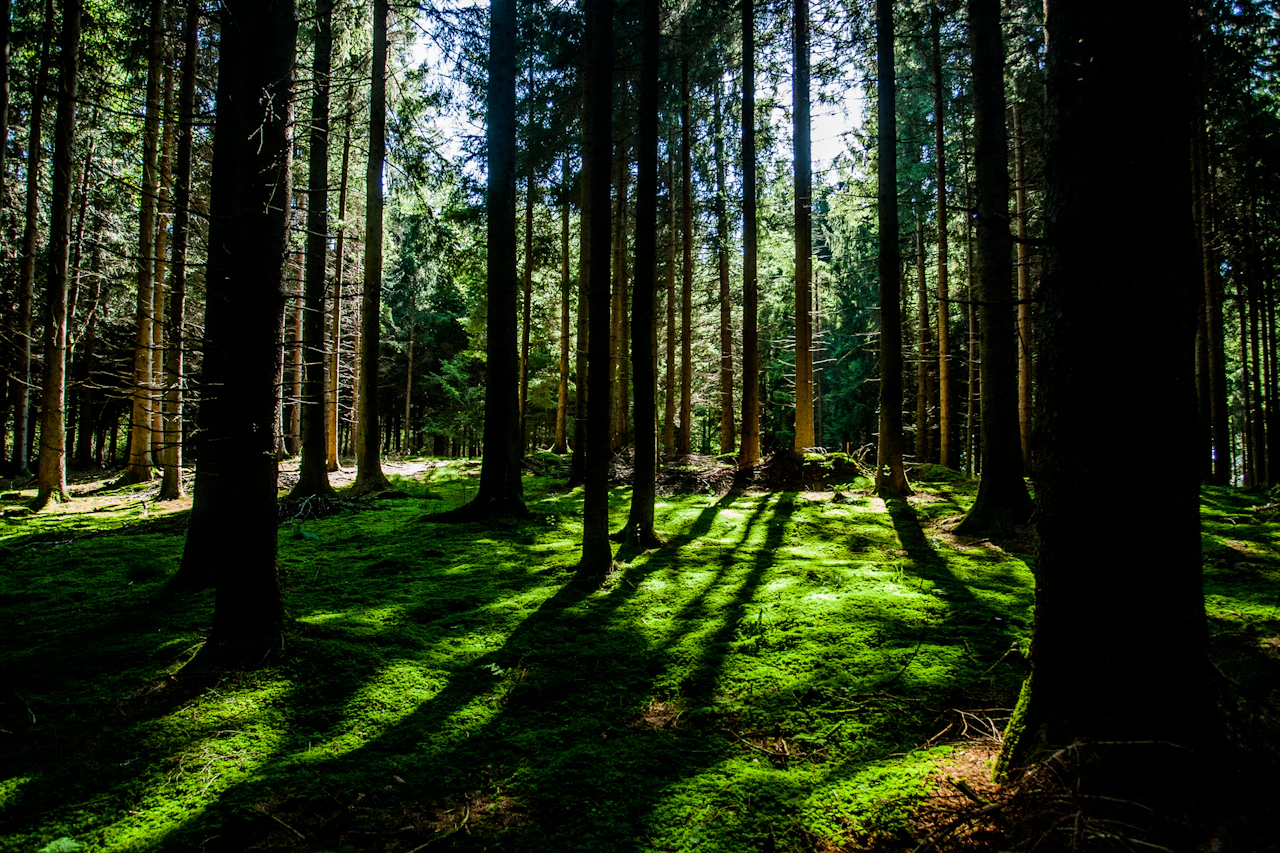
- Dappled light: Sun filtered through branches or foliage, with shifting patches of light rather than continuous exposure.
Plant labels vary by region and nursery, so compare the label’s light guidance with the actual conditions in your yard. Mature size, soil moisture, winter hardiness, and local availability should all be checked before planting.
Checklist by scenario
Deep-shade garden
Start with foliage, texture, and dependable structure. Hostas, ferns, hellebores, heucheras, and some woodland ground covers can provide a useful starting palette, although the best choices depend on your climate and soil. In very dark locations, flowers may be limited, so combine leaf shapes, colors, and heights instead of relying on bloom display alone.
- Choose plants that tolerate low light rather than plants that merely prefer afternoon shade.
- Use foliage contrast: broad leaves beside fine fern fronds, or light foliage beside deep green.
- Allow extra space around tree trunks and major roots.
- Check whether the bed is dry beneath an established tree; shade does not always mean moist soil.
Partial-shade border
Partial shade offers more flexibility. Consider a layered combination of a taller structural plant, medium-height foliage, and a low edging plant. Astilbe, coral bells, bleeding heart, woodland phlox, and some hydrangeas may work in suitable conditions, but confirm the needs of each cultivar before purchase. Add bulbs or seasonal plants where spring light reaches the ground before trees leaf out.
- Place the tallest plants where they will not block the limited light from smaller plants.
- Group plants with similar moisture needs to simplify watering.
- Use repeated plant groups rather than one of every variety for a calmer design.
- Reserve the brightest edge for plants that can tolerate more sun.
Morning sun and afternoon shade
This is often one of the easier conditions for a mixed perennial bed because plants receive direct light without the full intensity of afternoon exposure. Many plants labeled for partial shade can fit here. The border may also support selected herbs or edible plants, provided they receive enough light for the crop and have suitable soil.
- Place flowering plants toward the brighter side and foliage plants toward the shadier side.
- Watch the bed during hot weather; reflected heat from walls or paving can change the planting conditions.
- Water newly planted specimens consistently while roots establish, even if the site is normally damp.
Dappled light beneath trees
Dappled light can create a natural woodland effect, but tree roots compete for water and nutrients. Select plants that can handle root competition, improve the soil gently at the surface, and avoid digging aggressively around large roots. A simple mulch layer can help conserve moisture without burying plant crowns or piling material against tree trunks.
- Plant in small pockets between roots when possible instead of cutting through major roots.
- Use smaller plants if access for planting is limited.
- Expect moisture conditions to vary across the same bed.
- Repeat a few compatible species to make the planting feel intentional.
Quick comparison table
| Light condition | Plant examples to investigate | Typical mature size | Moisture preference | Bloom or seasonal interest | Evergreen interest | Maintenance |
|---|---|---|---|---|---|---|
| Deep shade | Ferns, hostas, hellebores, coral bells | Low to medium, depending on variety | Often moderate; check for dry tree-root zones | Foliage first; flowers vary | Some ferns and selected foliage plants | Low to moderate; divide or remove tired foliage as needed |
| Partial shade | Astilbe, bleeding heart, woodland phlox, shade-tolerant shrubs | Low to tall; verify spread before planting | Moderate to moist for many choices | Often spring through summer | Varies by plant and climate | Moderate; deadheading and seasonal cleanup may help |
| Morning sun, afternoon shade | Many partial-shade perennials and selected shrubs | Wide range | Moderate, with extra attention during establishment | Usually the broadest flowering potential of shaded sites | Possible with evergreen shrubs or foliage plants | Low to moderate when plants are well matched |
| Dappled light | Woodland perennials, ferns, spring bulbs, ground covers | Usually low to medium, but spreading habits vary | Variable; tree competition can create dry soil | Often strongest in spring and early summer | Some ground covers and evergreen foliage plants | Moderate; manage spread and refresh mulch carefully |
Three small-bed layout templates
Template 1: Narrow foundation bed. Put a repeating row of low foliage plants along the path, medium-height perennials behind them, and one or two taller anchors near the wall. Keep plants far enough from the foundation for mature air circulation and maintenance access.
Template 2: Tree-side crescent. Curve a bed around, rather than tightly against, the tree. Place the most drought-tolerant shade plants nearest the trunk, moisture-loving plants toward the outer edge if that is where water collects, and a consistent ground-cover layer between groups.
Template 3: Small rectangular border. Divide the bed into thirds: a taller back section, a middle band of flowering or textured foliage plants, and a low front edge. Repeat two or three plants across the sections to prevent a crowded collector’s-garden effect.
What to double-check before planting
- Measure the light. Visit the site in the morning, around midday, and in the afternoon. Note direct sun, bright reflected light, and the direction of shadows. A phone photo taken from the same position can help you compare changes.
- Test the soil before adding amendments. Check drainage by observing how quickly water disappears after rain or irrigation. A soil test can help you avoid adding products the bed does not need. For a broader process, see our guide on how to read a garden soil test.
- Confirm mature dimensions. Use the plant’s expected width, not the size of the nursery pot, when spacing. This prevents a bed that looks empty at planting from becoming overcrowded later.
- Match moisture needs. A damp low spot, a dry area beneath a tree, and a bed beside a downspout are different environments even if they receive the same amount of shade.
- Check winter suitability locally. Hardiness information and plant availability vary by region. Read the current label and ask a local nursery about performance in your area.
- Plan access. Leave enough room to reach the plants, inspect for pests, remove weeds, and maintain nearby fences, walls, or outdoor equipment.
Improve soil gradually. Remove competing weeds, loosen only the soil you can work without damaging tree roots, and incorporate appropriate organic matter according to the results of your soil assessment. A thin, even mulch layer can help retain moisture, but keep it away from plant crowns and tree trunks. If the space is too dark or root-filled for reliable in-ground planting, container garden ideas may be more practical; choose containers with drainage and plants suited to the available light.
Common mistakes in shade garden design
- Treating all shade as the same. Deep shade, dry shade, and dappled shade require different plant selections and watering plans.
- Planting for the current gap. Small nursery plants can expand substantially. Check mature width and account for the planting’s appearance after several seasons.
- Overwatering by assumption. A shaded bed may dry slowly, but tree roots, roof overhangs, and dense soil can create either very dry or very wet pockets.
- Ignoring foliage. Flowers may be seasonal, while foliage provides much of the bed’s lasting structure. Combine leaf size, shape, height, and color.
- Digging through tree roots. Large-root damage can stress a tree and make planting difficult. Work around major roots and favor smaller planting pockets.
- Using one aggressive ground cover everywhere. Spreading plants can move beyond the intended bed. Check their habit and maintain a clear edge.
- Relying on a single annual visit. Light, moisture, and plant competition change. A successful shade garden is adjusted through observation.
When to revisit your shade garden plan
Review the plan before each main planting season, especially after winter storms, tree removal or pruning, construction, or changes to fences and nearby buildings. Recheck the site when a plant repeatedly fails, begins stretching toward light, develops scorched foliage, or needs far more water than its companions.
At the start of each growing season, walk the bed with this short checklist:
- Has the amount or direction of sunlight changed?
- Are plants still within their intended mature-size boundaries?
- Is the soil wetter, drier, or more compacted than expected?
- Are tree roots, fallen leaves, or spreading ground covers changing competition?
- Which plants provided useful structure, and which should be moved or replaced?
Update plant labels, hardiness details, mature-size information, and local availability each spring rather than relying on an old shopping list. If the garden needs more productivity elsewhere, keep shade ornamental and place sun-loving vegetables in a brighter location; our small backyard garden planner can help with the wider layout. For a lower-input approach, compare the principles in our native and drought-tolerant garden planner.
Finally, make one change at a time when possible. Move a struggling plant, adjust watering, or thin an overcrowded group before redesigning the entire bed. Keeping brief notes on light, rainfall, bloom timing, and maintenance will make next season’s choices more accurate—and turn a difficult backyard corner into a garden that improves with observation.


